

Famous Companies with Cash Flow Problems: A Cautionary Tale

Businesses that take a proactive approach to forecasting, cost control, and diversifying revenue streams will be better positioned to weather financial difficulties and achieve long-term success. Without payroll sufficient funds, companies cannot invest in new products, marketing campaigns, or expansion plans. This lack of investment can result in lost market share and stagnant growth.

# Expensive debt
E. A firm, which is in the process of restructuring, where it is selling some of its assets and changing its financial mix. D. A troubled firm, which has made significant losses and is not expected to get out of trouble for Bookkeeping for Etsy Sellers a few years. Instead of buying more of what doesn’t sell, get rid of it—even if you need to sell it at a discount.
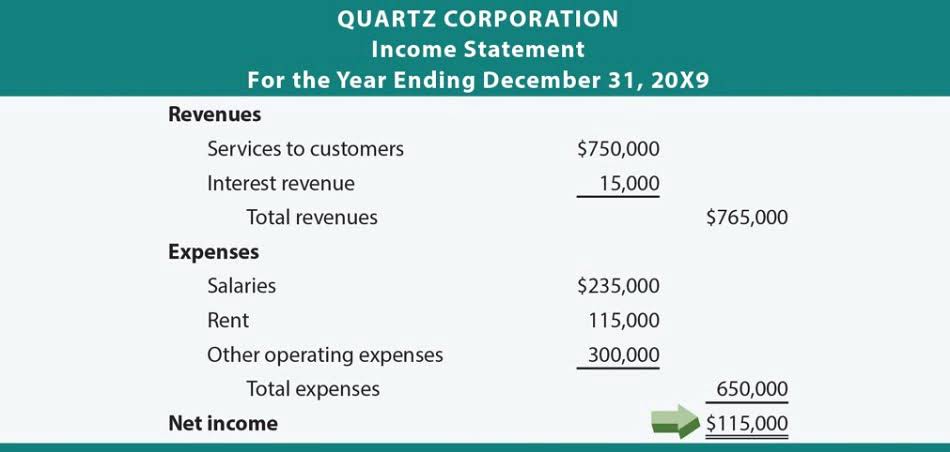
Why do you need cash flow statements?
- Conduct market analysis to identify new opportunities and target markets.
- Look into your returns policy to make sure that it protects you from potential cash flow issues.
- Remember, if you’re losing money on your products or services then it doesn’t matter how much you sell–they’ll never pull you out of the red.
- Too much staff or too large a premises can put undue strain on a business, hitting cash flow quickly.
- Operating expenses include rent, utilities, salaries, and other day-to-day costs necessary to keep the business running.
- Cash flow problem refers to a situation of financial crisis where a company no longer has enough funds to support and cater to its day-to-day business needs and operations.
A mismatch between cash flow forecast and actual revenue and expenses can lead to serious cash flow issues. To avoid this, businesses should employ flexible budgeting practices, allowing real-time adjustments. Effective cash flow management requires a deep understanding of a business’s financial health, the timing of income and expenses, and the foresight to anticipate and plan for future cash needs. By keeping a finger on the pulse of your business’s cash flow, you can make informed decisions that enhance its resilience and problems in cash flow drive sustained success.
Problem 1: Late payments from customers
Actually, you have to save money and stay frugal when times are good. Because if you can’t save then, in the good times, it’s unlikely you’ll do it when business gets tough. However, you can take plenty of cost-cutting measures to fix cash-flow problems.
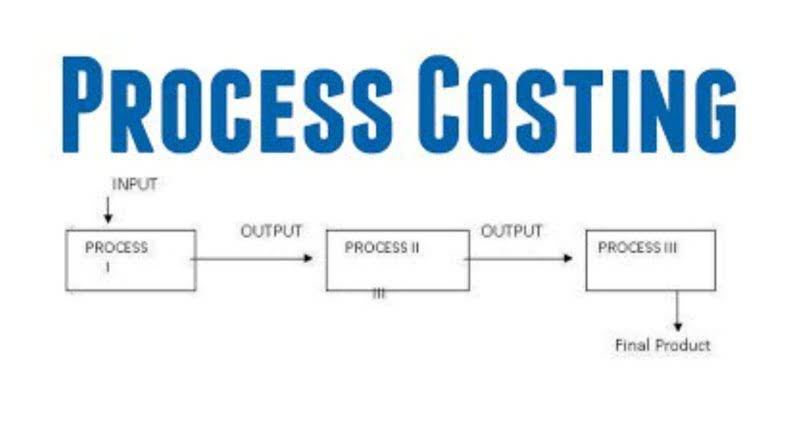
How Extra Inventory Hurts Your Cash Flow
These are real challenges when it comes to maintaining healthy cash flow. If you’re not tracking, budgeting, planning, and forecasting, you could be in the dark about the true state of your business finances. Outstanding payments are one of the biggest challenges SMBs face when it comes to cash flow. This is a real cash flow problem because you’ve done the work, yet you haven’t received the money for it.
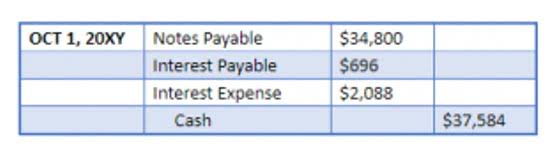
What is the cash flow management risk?
- Additionally, many banks won’t approve a business loan to be used to address cash-flow problems as the business is showing signs of financial strain.
- A. It measures the riskless rate during the period of the analysis.
- That’s money we’ve charged clients—but we haven’t actually been paid yet.
- The long-term bond rate should be used as the risk-free rate, because valuation is based upon a long time horizon.
- To start, it’s helpful to consider some of the more common cash flow problems for SMBs and what you can do to mitigate them.
- The consequences of unresolved cash flow issues can be severe, leading to damaged credit, loss of business reputation, and even bankruptcy.
A. This should increase both the cost of equity (by raising interest rates) and the nominal growth rate. Whether the increase will be the same in both variables will depend in large part on whether an increase in inflation will adversely impact real economic growth. E. The model requires that, in the long term, the growth rate for a firm is stable (close to the growth rate in the economy). Thus, cyclical firms, which maintain an average growth rate close to a stable rate, cyclical ups and downs notwithstanding, can be valued using this model. When equity is valued, the cash flows to equity investors are discounted at their cost (the cost of equity) to arrive at a present value, which is the value of the equity stake in the business. Bally’s is planning to pay down debt and reduce its debt ratio (D/(D+E)) to 50%, which should raise its debt rating to A (and lower the pre-tax rate to 7.51%).